[trp_language language=”en_US”]Case Study[/trp_language]
[trp_language language=”ar”]دراسة حالة[/trp_language]
Dexcom
Find out how MLC helped Dexcom reach new markets and meet regulatory requirements with ease.
Copywriting
Translation Memory
Glossary Building
Medical Translation
Client Overview
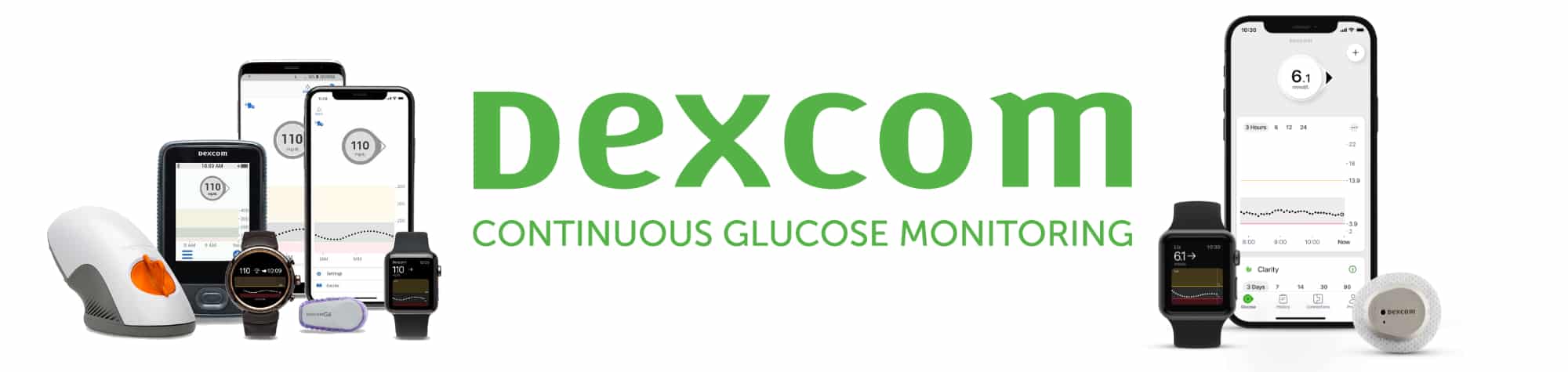
For the last 20 years Dexcom has been innovating and developing simpler and better ways for people with type 1 diabetes to measure, track and manage their diabetes. They do this through the manufacturing and distribution of their glucose monitoring systems for diabetes management.
Dexcom to date has eliminated the need for over 11 billion fingersticks and have successfully launched the world’s first real-time, integrated CGM system.
Learn how their partnership with My Language Connection, contributed to their international expansion into 52 countries, as well as supporting in getting their first EU patient into clinical trials, far faster than standard industry timelines.
MLC helped us to completely streamline our internal processes, speeding up our communications and increasing efficiency, allowing us to get our first human patient to trials, in Europe, a lot faster than we had planned through their expedited translation service.
Requirements & Challenges
As a pioneer in Real-Time Continuous Glucose Management (CGM), Dexcom’s goal is to simplify and improve diabetes management for every possible person with diabetes. The Dexcom G6 Continuous Glucose Monitoring System sends real-time glucose readings to users smartphones or watch, meaning that with a quick glance user can see their glucose levels – all without finger-sticks or scanning.
Dexcom asked MLC to help deploy marketing and user manual documentation for a variety of territories in a bid to expedite their entry-to-market timelines. Their Diabetes technology is now available in 52 countries worldwide.
Our Approach & Solution
My Language Connection provided translation services and high-level proofreading. MLC supplied native language subject matter experts which increased the speed and accuracy in delivering translated documentation. The translated documents were marketing materials for medical devices which helped spread awareness of Dexcom’s products across Europe, the Middle East and Africa.
The services My Language Connection provided supported Dexcom through their growth, and we continue to work with Dexcom on an ongoing basis, translating technical medical documentation, marketing materials and even social media management in multiple languages.
At MLC we are experts in providing companies within the healthcare & medical industry with expert language services. Some of our expertise include biotech translations, pharmaceutical translation, medical device translations as well as providing a wide range of medical translation services. Our partnership approach and commitment to quality mean we can help our clients improve outcomes and achieve their strategic goals.
Our On-Going Support
We are proud to have supported Dexcom for over 7 years and counting, by translating their content across the product life cycle – from study documents to gather clinical data, through product information and labelling for product registration, to promotional materials for brand launch and ongoing marketing campaigns and expansion.
We have contributed to the success of their product launches relating to G5, G6, G7, Dexcom One and Dexcom One +. Furthermore, with Dexcom’s feedback we developed the MLC Translation Management System. Our technology offers Dexcom a bespoke virtual Project Management workspace for their team to track their budgets and projects in real time; for In Country Reviewers to make changes to projects that are automatically logged into their glossaries; and ultimately get their medical devices to market 50% + faster.
Learn more from Dexcom and their experience with the MLC TMS below.
Translating Medical Data Sheets
Medical data sheets are an important piece of document to ensure the safety and protection of those who are handling medical devices and equipment. This is why proper and accurate translation is highly critical. Medical professionals are regularly exposed to a variety of health and safety hazards. This could be from dealing with various medical equipment or biological waste. Either way, it is important to translate this document to ensure the...

Your Guide to Regulatory Audit Documents
Regulatory audit documents are one of the most important pieces of documents in the healthcare industry. It ensures compliance of existing regulatory standards to ensure patient safety and quality of healthcare and medical services. Regulatory compliance standards are a set of policies that govern all formally registered organisations. The purpose is to ensure that all existing organisations must abide by certain standards to ensure quality...
Medical Device Labelling Translations
Medical device labelling translation is subject to a highly regulated standard. Manufacturers need to adhere to these standards to ensure the preservation of the patient’s safety in the use of the information relating to these medical devices. If you are using a medical device for the first time, the first thing you do is check the label for instructions on how to use that device. Translating this information to other languages is the first...
Decentralised Clinical Trials
As decentralised clinical trials become the norm, examine how to succeed with this new setup and ways to overcome the challenges that are present. Traditionally, clinical trials are conducted in a special lab or clinic. The purpose of having a defined location to conduct these trials is to control the environment and to ensure the safety of patients, as well as the integrity of the entire study. But the pandemic is one of the biggest disruptors...
Guide to Patient Information Leaflets (PILs)
Patient information leaflets (PIL) are a crucial piece of medical document. Accurate and honest translation is a must to ensure patient safety in the use of medical devices or products. The past decade or so has seen a tremendous shift in the interaction between patients and healthcare providers. In the past, patients were often kept in the dark about the diagnosis and treatment procedures of various conditions. Today, patient information isa...
Clinical Trial Translations
Accurate translation is critical to the entire clinical trial procedure. It must be performed to the highest standard to ensure data is preserved during the translation. As the need for clinical trials grows, so does the demand for translation services. The need for clinical trial translations is evident with more of these research studies conducted in developing countries that do not necessarily speak English. To bridge the gap in...